
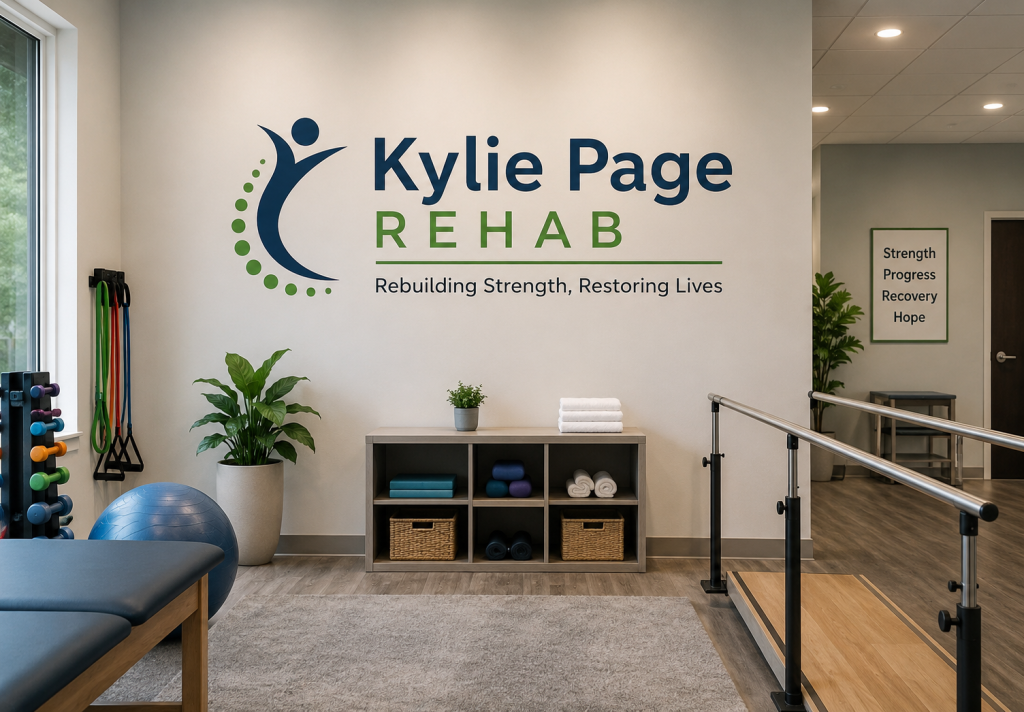
 Kylie Page Rehab: Understanding the Facility, Services, and Rehabilitation Care
Finding the right rehabilitation and healthcare facility can be an important decision for individuals and families looking for professional support, skilled nursing care, rehabilitation therapy, and a comfortable recovery environment. Kylie Page Rehab is a search term that may be used by people looking for information about Kylie Page-related rehabilitation services, healthcare facilities, rehabilitation programs, or patient care options.
When choosing a rehabilitation center, it is important to look beyond the name of a facility. Patients and families should understand the available services, rehabilitation programs, nursing support, care environment, and the type of recovery assistance provided.
This guide explains what people should know when researching Kylie Page Rehab, what rehabilitation services may be relevant, and how to evaluate a rehabilitation and healthcare center before making a care decision.
What Is Kylie Page Rehab?
Kylie Page Rehab is a keyword associated with searches for rehabilitation and healthcare information connected with Kylie Page. People searching for this term may be trying to find information about a rehabilitation facility, its location, available healthcare services, rehabilitation programs, or patient care.
Rehabilitation facilities generally provide structured care for people who need assistance recovering after an illness, injury, surgery, hospitalization, or other health-related event. Depending on the facility, services can include physical therapy, occupational therapy, speech therapy, skilled nursing, medication management, and assistance with daily activities.
Because rehabilitation needs are different for every patient, families should evaluate a facility based on the individual’s medical and recovery requirements rather than relying only on a facility name.
Why Rehabilitation Care Is Important
Rehabilitation can play an important role in helping patients regain independence and improve their ability to perform everyday activities.
After surgery, injury, or hospitalization, a person may experience reduced mobility, weakness, balance difficulties, or challenges with normal daily tasks. Professional rehabilitation programs can provide structured support during the recovery process.
A rehabilitation center may bring together nurses, therapists, healthcare professionals, and support staff to create a coordinated care environment.
The primary goals of rehabilitation may include:
- Improving mobility and physical strength
- Supporting independence
- Helping patients perform daily activities
- Improving balance and coordination
- Supporting recovery after surgery or injury
- Providing skilled nursing care
- Helping patients transition safely back home
The exact treatment plan depends on the patient’s condition and recommendations from healthcare professionals.
Rehabilitation Services You May Find
When researching Kylie Page Rehab, one of the most important things to investigate is the range of services available. Rehabilitation facilities can provide different levels and types of care depending on their specialization.
Physical Therapy
Physical therapy is commonly associated with rehabilitation after surgery, injury, illness, or periods of limited mobility.
A physical therapy program may focus on movement, strength, flexibility, balance, walking ability, and functional independence. Therapists work with patients according to their individual abilities and recovery goals.
Occupational Therapy
Occupational therapy focuses on helping individuals improve their ability to complete everyday activities.
Patients may receive assistance with tasks such as dressing, eating, bathing, moving safely, and other activities required for independent living.
Occupational therapy can be particularly valuable when a medical condition has affected a person’s ability to manage normal daily routines.
Speech Therapy
Some rehabilitation centers also provide speech and language therapy. This may help individuals experiencing difficulties with communication, swallowing, or related functions following certain medical conditions.
Speech-language professionals evaluate individual needs and develop appropriate therapy plans.
Skilled Nursing Care
Skilled nursing is another important part of many rehabilitation and healthcare facilities.
Nursing professionals may monitor patients, administer medications as prescribed, assist with personal care, observe changes in health status, and communicate with physicians and other members of the healthcare team.
Skilled nursing care can be especially important for patients who are not yet ready to return home after hospitalization.
Short-Term Rehabilitation vs. Long-Term Care
One important consideration when researching Kylie Page Rehab is understanding the difference between short-term rehabilitation and long-term care.
Short-Term Rehabilitation
Short-term rehabilitation generally focuses on recovery and helping a patient return to a higher level of independence.
Patients may enter rehabilitation after:
- Joint replacement surgery
- Orthopedic procedures
- Serious illness
- Hospitalization
- Injuries
- Neurological events
- Periods of prolonged bed rest
The length of rehabilitation varies according to individual recovery needs.
Long-Term Care
Long-term care is designed for people who require ongoing assistance with healthcare or daily living.
Some individuals may need continued nursing supervision or assistance with activities that they cannot safely perform independently.
Families should ask the facility which levels of care are available and whether the services match the patient’s current and anticipated needs.
How to Choose the Right Rehab Facility
Choosing a rehabilitation facility requires careful research. The best option depends on the patient’s medical needs, location, insurance coverage, recommended therapy, and personal preferences.
Here are several factors worth considering.
Location
Location can make a major difference for families. A facility that is reasonably close to family members may make regular visits and communication easier.
When searching for Kylie Page Rehab, confirm the exact facility location rather than relying only on the keyword or name appearing in search results.
Available Services
Make sure the facility offers the specific services recommended for the patient.
For example, someone recovering from orthopedic surgery may require intensive physical therapy, while another patient may need skilled nursing or occupational therapy.
Therapy Programs
Ask about the rehabilitation program and how frequently therapy sessions are provided.
It can also be useful to ask how therapists evaluate progress and how rehabilitation goals are adjusted over time.
Nursing Support
Families should understand what nursing services are available throughout the day and night.
Ask whether nurses are available around the clock, how medications are managed, and how medical changes are communicated to physicians and family members.
Care Planning
Individualized care planning is an important part of effective rehabilitation.
Every patient has different abilities, challenges, and goals. A personalized plan can help healthcare professionals coordinate nursing care, therapy, medication management, nutrition, and other services.
What to Expect During Rehabilitation
The rehabilitation process often begins with an assessment of the patient’s current condition.
Healthcare professionals may evaluate mobility, strength, balance, communication, daily living skills, and other relevant factors.
Based on the assessment, the care team may establish recovery goals.
A typical rehabilitation experience may include:
- Initial evaluation
- Development of a personalized care plan
- Regular therapy sessions
- Nursing and medical monitoring
- Progress assessments
- Adjustments to treatment goals
- Preparation for discharge or continued care
The recovery timeline varies significantly from person to person.
Preparing for a Rehab Stay
Families can make the transition to rehabilitation easier by preparing important information before admission.
Useful items may include medication information, physician contact details, insurance information, medical records, comfortable clothing, appropriate footwear, and personal items permitted by the facility.
It is also helpful to understand the facility’s visiting policies, therapy schedule, communication procedures, and discharge planning process.
Before admission, families can prepare questions such as:
- What rehabilitation services are available?
- How often will therapy be provided?
- What type of nursing care is available?
- How is patient progress measured?
- Who develops the care plan?
- How are family members updated?
- What happens when the patient is ready to leave?
Getting answers to these questions can help families make informed decisions.
Benefits of Professional Rehabilitation
Professional rehabilitation can provide several important benefits when appropriately recommended by healthcare professionals.
A structured program may help patients work toward greater physical independence, improve functional abilities, and develop confidence during recovery.
Rehabilitation can also provide families with professional support while a patient transitions from hospital-level care toward home or another appropriate care setting.
The combination of therapy, nursing support, medical oversight, and individualized care can create a more organized recovery environment.
Family Involvement in Rehabilitation
Family involvement can be an important part of the recovery process.
Relatives can communicate with healthcare professionals, participate in appropriate care discussions, encourage patients during difficult stages of recovery, and help prepare for the transition home.
Families should also understand that recovery may not happen at the same pace every day. Progress can involve small improvements over time.
Maintaining realistic expectations and communicating with the care team can help everyone understand the patient’s progress and needs.
Questions to Ask About Kylie Page Rehab
If you are specifically researching Kylie Page Rehab, gathering accurate information directly from the relevant healthcare facility is important.
Consider asking:
Is the facility licensed and accredited?
Families should verify the facility’s licensing and applicable certifications.
What rehabilitation programs are offered?
Ask whether physical, occupational, and speech therapy are available and whether they are appropriate for the patient’s condition.
Is skilled nursing available?
Understanding nursing coverage can help families determine whether the facility can meet the patient’s medical needs.
How is the care plan created?
Ask who evaluates the patient and how treatment goals are established.
How is progress monitored?
Find out how therapists and nurses communicate progress and modify the care plan when necessary.
What happens after rehabilitation?
Discharge planning is an important part of recovery. Ask whether the facility helps patients and families prepare for returning home or transitioning to another care environment.
Final Thoughts on Kylie Page Rehab
Searching for Kylie Page Rehab can be the first step toward learning about rehabilitation and healthcare options. However, choosing a facility should always involve careful research into services, nursing support, therapy programs, location, care quality, and individual patient needs.
A good rehabilitation experience is centered on the patient. Physical therapy, occupational therapy, speech therapy, skilled nursing, medical supervision, and individualized care planning can all contribute to a structured recovery environment when appropriate.
Before selecting a rehabilitation facility, patients and families should verify current information directly with the facility and discuss healthcare needs with qualified medical professionals. Availability of services, admission requirements, insurance coverage, and treatment options can change, so up-to-date information is essential.
Ultimately, the right rehabilitation setting should provide appropriate professional support while helping the patient work toward greater independence and a safe transition to the next stage of care.
