
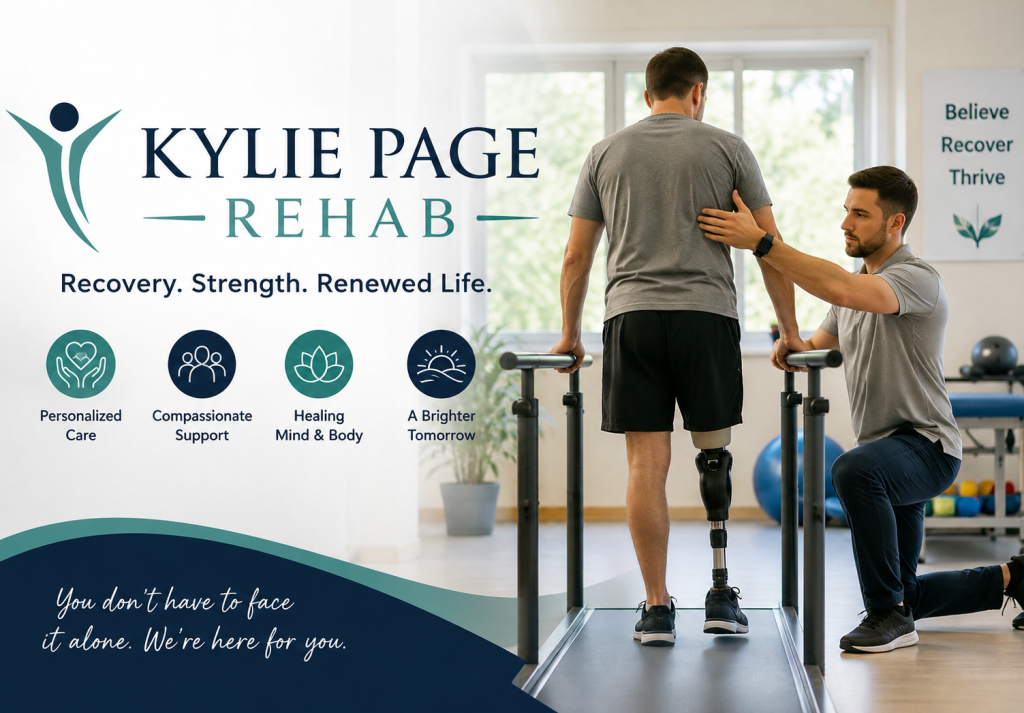
 Kylie Page Rehab: Her Rehabilitation and Recovery Support
Finding the right rehabilitation support can be an important step for people and families looking for guidance during recovery. Kylie Page Rehab is a term people may use when searching for information about rehabilitation services, recovery programs, treatment support, and resources designed to help individuals move toward a healthier and more stable future.
Rehabilitation is not simply about completing a treatment program. It is a process that can involve professional guidance, structured routines, education, emotional support, healthy lifestyle changes, and continued care. The right approach depends on an individual’s needs, circumstances, goals, and stage of recovery.
This guide explains what rehabilitation generally involves, what people should consider when researching Kylie Page Rehab, and how to evaluate rehabilitation resources before making an important decision.
What Is Kylie Page Rehab?
Kylie Page Rehab is a search term associated with rehabilitation and recovery-related information. When researching any rehabilitation provider or program, it is important to understand exactly what services are available, who provides them, where they are located, and whether the program is appropriate for the individual’s needs.
Rehabilitation programs can vary considerably. Some focus on substance use recovery, while others provide behavioral health support, physical rehabilitation, residential care, outpatient services, or a combination of different approaches.
Because every person’s circumstances are different, rehabilitation should be approached as an individualized process rather than a one-size-fits-all solution.
Why Rehabilitation Support Matters
Recovery can be challenging without appropriate support. A structured rehabilitation environment can help individuals establish healthier routines while receiving guidance from trained professionals.
Depending on the type of program, rehabilitation may help people:
- Develop healthier daily routines
- Understand factors affecting their recovery
- Build practical coping skills
- Access professional guidance
- Strengthen supportive relationships
- Prepare for life after treatment
- Reduce barriers that can interfere with long-term recovery
- Create a structured plan for continued support
The purpose of rehabilitation is generally to help a person develop the skills and support systems needed to make sustainable progress.
Types of Rehabilitation Services
When searching for Kylie Page Rehab or other rehabilitation resources, understanding different types of care can make the research process easier.
Residential Rehabilitation
Residential rehabilitation provides structured support in a setting where individuals stay at the facility for a period of time. This type of program can provide a consistent environment away from some of the distractions or challenges of everyday life.
Residential programs may include counseling, educational sessions, daily activities, wellness support, and recovery planning.
Outpatient Rehabilitation
Outpatient rehabilitation allows individuals to receive services while continuing to live at home. Appointments may take place according to a scheduled treatment plan.
This option may be appropriate for people whose circumstances allow them to participate in treatment without residential care. The appropriate level of support should always be determined with qualified professionals.
Behavioral Health Support
Some rehabilitation programs incorporate behavioral health services. These may help individuals understand thoughts, behaviors, emotions, and circumstances that can affect their overall wellbeing and recovery.
Professional counseling and behavioral support can be an important component of a comprehensive rehabilitation plan.
Physical Rehabilitation
Rehabilitation can also refer to physical recovery following an injury, illness, surgery, or other medical condition. Physical rehabilitation may involve exercises, mobility training, functional activities, and professional assessment.
The exact program depends on the individual’s medical situation and should be developed by appropriate healthcare professionals.
What Happens During Rehabilitation?
The rehabilitation experience varies depending on the type of program and the person’s needs.
A program may begin with an assessment. Professionals can review relevant background information, current challenges, goals, and support needs. This information can help determine an appropriate care plan.
During rehabilitation, individuals may participate in scheduled appointments, counseling, educational activities, therapeutic exercises, wellness activities, or other services.
Another important part of rehabilitation is planning for continued support. Recovery does not necessarily end when a formal program finishes. Continuing care and a strong support network can help individuals maintain progress.
Choosing the Right Rehabilitation Program
Searching for Kylie Page Rehab may be only the first step. Before selecting any rehabilitation provider, families should carefully evaluate the available information.
Check the Services Provided
Start by determining what type of rehabilitation the organization provides. A facility specializing in physical rehabilitation may offer very different services from a program focused on substance use recovery or behavioral health.
Make sure the services match the person’s actual needs.
Review Professional Qualifications
Qualified professionals are an important part of quality healthcare and rehabilitation. When researching a provider, look for information about the professionals involved, their qualifications, licensing where applicable, and areas of expertise.
Reliable organizations should provide clear information about the services and professionals responsible for care.
Understand the Treatment Approach
Different programs use different approaches to rehabilitation. Ask how care is structured, how individual needs are assessed, and whether treatment plans are adjusted as progress changes.
A good rehabilitation plan should take the individual into account rather than treating every person exactly the same way.
Consider Location and Accessibility
Location can affect whether a rehabilitation program is practical. Consider transportation, appointment schedules, residential arrangements if applicable, and the availability of continued care.
For families, accessibility can also influence how easily they can participate in appropriate support.
Ask About Continuing Care
Recovery often requires ongoing attention. Before choosing a program, ask what happens after the main rehabilitation period ends.
Depending on the situation, continuing care may include follow-up appointments, counseling, community resources, support groups, or other professional services.
The Role of Family Support
Family support can be valuable during rehabilitation. Positive communication and encouragement can help individuals feel less isolated while working toward recovery.
However, family members are not expected to provide professional treatment themselves. When complex health or recovery concerns are involved, qualified professionals should be included.
Families can support recovery by encouraging healthy routines, respecting appropriate boundaries, participating in recommended family programs, and helping individuals stay connected with suitable professional support.
Rehabilitation and Long-Term Recovery
One of the most important ideas in rehabilitation is that recovery is often a continuing process.
Completing a program does not automatically mean that every challenge has disappeared. Individuals may continue to face stress, changes in their environment, or other difficulties.
A long-term recovery plan can provide structure after formal treatment. This may involve regular professional appointments, healthy activities, supportive relationships, education, and strategies for handling difficult situations.
The goal is to help individuals continue making positive changes over time.
Questions to Ask Before Choosing a Rehab Program
People researching Kylie Page Rehab or another rehabilitation provider may benefit from asking several questions before making a decision.
Consider asking:
- What type of rehabilitation does the program provide?
- Who provides the treatment or rehabilitation services?
- Are the professionals appropriately qualified?
- How is an individual’s treatment plan developed?
- What does a typical day or appointment involve?
- How long does the program generally last?
- What support is available after the main program?
- How can family members participate appropriately?
- What are the costs and payment options?
- What should someone do if their needs change during treatment?
Getting clear answers can make it easier to compare programs and identify an option that fits the individual’s circumstances.
Benefits of a Structured Rehabilitation Environment
A structured environment can provide consistency during a period when daily life may feel difficult or unpredictable.
Depending on the program, structure can include scheduled appointments, regular activities, professional supervision, educational sessions, and clearly defined recovery goals.
Structure can also encourage accountability. Rather than trying to manage every challenge independently, individuals can work with appropriate professionals and support networks.
However, the benefits of rehabilitation depend on the quality and suitability of the specific program.
What to Look for in a Quality Rehab Resource
A trustworthy rehabilitation resource should provide understandable and transparent information.
Look for:
- Clear descriptions of services
- Contact information
- Information about professional staff
- Transparent policies
- Appropriate privacy information
- Details about the type of care offered
- Realistic descriptions of rehabilitation
- Information about ongoing support
Be cautious of organizations making guaranteed promises about treatment outcomes. Healthcare and recovery are highly individual, and no legitimate provider can guarantee the same result for every person.
Frequently Asked Questions About Kylie Page Rehab
What is Kylie Page Rehab?
Kylie Page Rehab is a search term related to rehabilitation and recovery information. Anyone researching a specific rehabilitation provider should verify the organization’s official name, services, location, professional qualifications, and available treatment options before making a decision.
What services can rehabilitation programs provide?
Services vary widely. Depending on the provider, rehabilitation may include counseling, behavioral health support, physical rehabilitation, structured recovery programs, education, wellness activities, and continuing-care planning.
How do I choose a rehabilitation program?
Start by identifying the individual’s needs and then compare programs based on their services, professional qualifications, treatment approach, location, cost, accessibility, and continuing-care options.
Is rehabilitation only for substance use recovery?
No. Rehabilitation is a broad term. It can refer to substance use recovery, behavioral health support, physical rehabilitation, injury recovery, and other forms of professional recovery care.
How long does rehabilitation take?
There is no universal timeline. The length of rehabilitation depends on the type of care, individual needs, treatment goals, progress, and recommendations from qualified professionals.
Can family members participate in rehabilitation?
Some programs offer family education, counseling, or other forms of family involvement. The appropriate level of participation depends on the program and the individual’s circumstances.
Finding Reliable Rehabilitation Information
When searching online for Kylie Page Rehab, it is important to distinguish between general information and verified information about a particular healthcare provider.
A website should clearly explain what services it offers and provide appropriate contact and professional information. People should also confirm important details directly with the provider before relying on them when making healthcare decisions.
Online information can help with initial research, but it should not replace advice from qualified healthcare professionals.
Take the Next Step Toward Recovery
Choosing rehabilitation support is an important decision that deserves careful research. Whether someone is looking for structured recovery assistance, behavioral health support, physical rehabilitation, or continuing-care resources, understanding the available options can make the process easier.
If you are researching Kylie Page Rehab, focus on verified information about services, professional qualifications, treatment approaches, accessibility, and ongoing support. The most appropriate rehabilitation option will depend on the individual’s unique needs and circumstances.
With the right professional guidance and a suitable support system, rehabilitation can provide an organized pathway for working toward improved health, independence, and long-term wellbeing.
